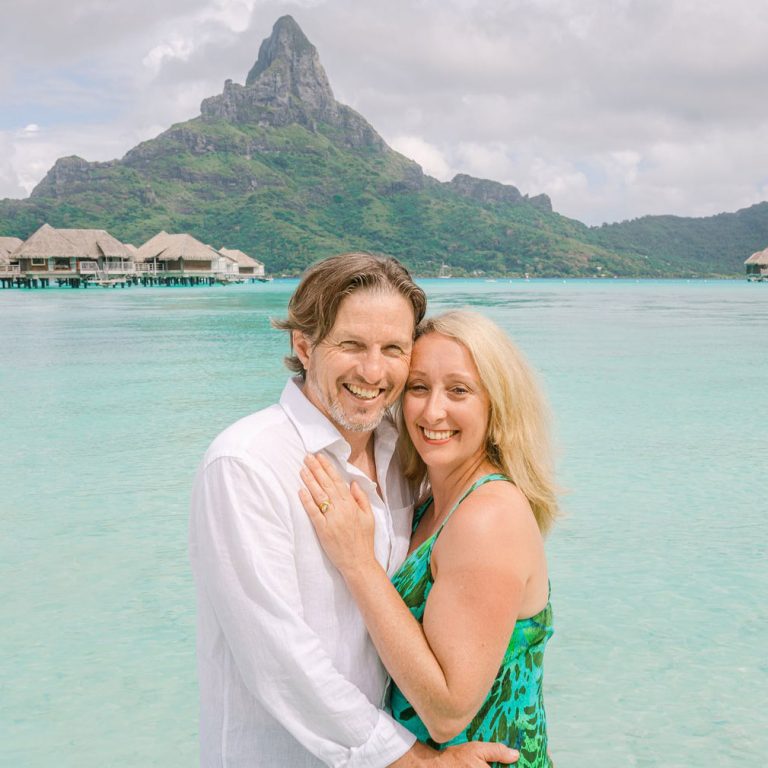
Moorea is a beautiful island in French Polynesia, known for its crystal-clear waters, stunning beaches, and diverse marine life.
One of the most popular activities for visitors to the island is swimming with whales, an unforgettable experience that offers a rare glimpse into the world of these magnificent creatures. Moorea is home to several species of whales, including humpback whales, which migrate to the area each year from July to October.
We visited Moorea around September when the weather was warm and the water wasn’t too cool.
During this time, it is possible to join a guided tour to swim with these gentle giants, giving you the chance to see them up close and personal.
The tours typically last around three hours, and you are taken out into the open water in a small boat.
The guides are experienced and knowledgeable about the local whale population, and they know how to approach the animals safely and respectfully. They will provide you with all the necessary equipment, including wetsuits, snorkels, and masks. Once the whales have been located, the boat will stop, and participants will enter the water.
The guides will instruct you on how to approach the whales, and it is important to follow their lead, as the animals can be sensitive to human interaction.
Swimming with the whales is an incredible experience, and it is amazing to see them swimming gracefully through the water, sometimes coming close enough to touch.
It is important to note that the tours are strictly regulated to ensure the safety of both the whales and the participants. There are rules in place to ensure that the whales are not disturbed or endangered, and it is important to respect these rules to ensure that the experience remains enjoyable and sustainable for all involved.
Swimming with whales in Moorea is an experience like no other. It offers a rare opportunity to connect with these magnificent creatures and to gain a greater understanding and appreciation of their lives in the ocean.
It is an experience that will stay with you for a lifetime and is something that should not be missed if you are visiting this beautiful part of the world.
Choosing the right tour provider
Choosing a tour operator that has emphasises low impact, conservation-oriented operations is important.
Tour operators that only have a small number of guests is important to minimise disturbance.
The tour operator had to stay 100m from the whales so we had to swim to the whales. The first time we got in the water, we were too slow and the whales swam away before we could get near them. The second time, the captain got in front of the whales so we could swim towards them and that is when we had the most amazing experience.
What do you need to bring?
Here are some things we suggest you bring with you on this adventure:
- An ability to swim – Being confident enough to swim in open ocean is definitely a skill you need for this experience. You can wear a life jacket – I held on to one as I swam just to help me if I got tired but Shannon didn’t have one as he is a much stronger swimmer.
- Sunscreen – I cannot emphasise enough how important putting on sunscreen is. We spent hours in the sun and even though a lot of that is in the water, the UV is still damaging your skin. Make sure you bring sunscreen and apply every couple of hours.
- Snorkel gear – Most tour operators provide snorkel gear, masks and flippers but you can bring your own if that makes you feel more comfortable.
- An underwater camera – We brought a GoPro. Some of the most amazing footage we got was underwater.
- Seasick tablets – If you are prone to seasickness, definitely bring some seasick tablets. Open water can get a bit of a swell so even though we are normally ok in a boat, we took seasickness pills as a precaution and we were so glad we did.
- Reef shoes – Whilst you won’t wear shoes in the water, it was good to be able to slip on some reef shoes or sandals each time we got back on the boat. We had Tevas. At the end of the trip, we swam with sharks and stingrays in chest deep water and we were treading on broken bits of coral which can cut up your feet.
What if I'm afraid of sharks?
I must admit this was a question I was a bit worried about. When you are in the ocean, an encounter with a shark is possible.
Our tour guide told us when we got in the water, to swim together like a school of fish. We needed to not make a lot of splashing and try and keep our kicking smooth as we swam. Unfortunately not everyone in our tour did this and the guide got everyone out of the water and reiterated the importance of staying together.
Our guide told us that if a shark came near, he would put himself in between us and the shark, so you can see from all the footage, I’m right on his shoulder for the whole time I’m in the water.
After we got in the boat after the encounter with the 3 whales, I but my leg getting back onto the boat. I wasn’t comfortable getting back in the water with a cut leg so sat the next time in the water out. But the good thing with that is I got some amazing footage of the whales from the boat.
Tips to maximise your chances of success
Seeing whales is not always guaranteed. These are wild animals so there is a chance that they are not around when you got out.
Here are some tips to help you increase your chance to swim with humpback whales:
- Book early, especially in the high season as spots can be limited
- If you have the time and your budget allows it, do more than one tour. We were lucky and had an amazing experience but we were prepared to book another tour if we didn’t have success.
- Choose an earl morning slot if it’s available – seas are often calmer first thing in the morning.
- Do you research when selecting a tour provider. We read through lots of reviews on TripAdvisor before settling on the tour provider we wanted to book. We also made sure we read reviews that were in the same time period that we were planning to visit to get an tips that might be helpful for that time of year.
- Be flexible with your mindset – Sometimes conditions might not be right for swimming with whales but even seeing them from the boat is special.
- Most importantly, respect the wildlife. Follow the guides instructions, don’t try to chase the whales and remember we are guests in their environment.