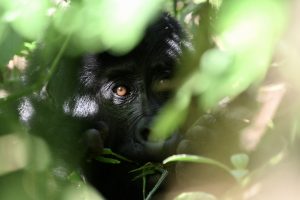
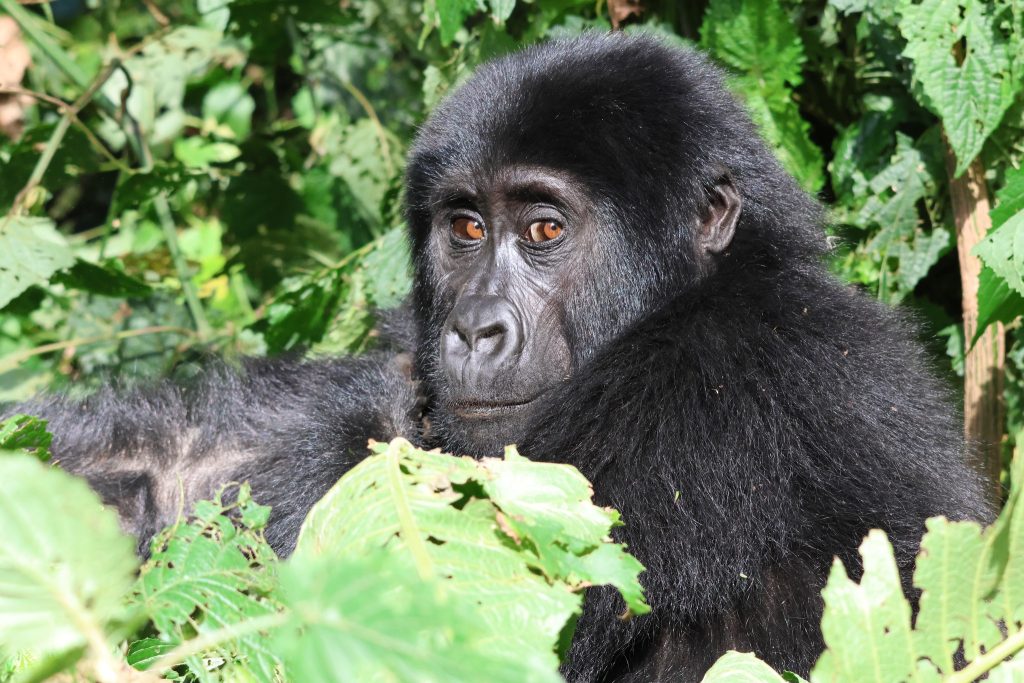
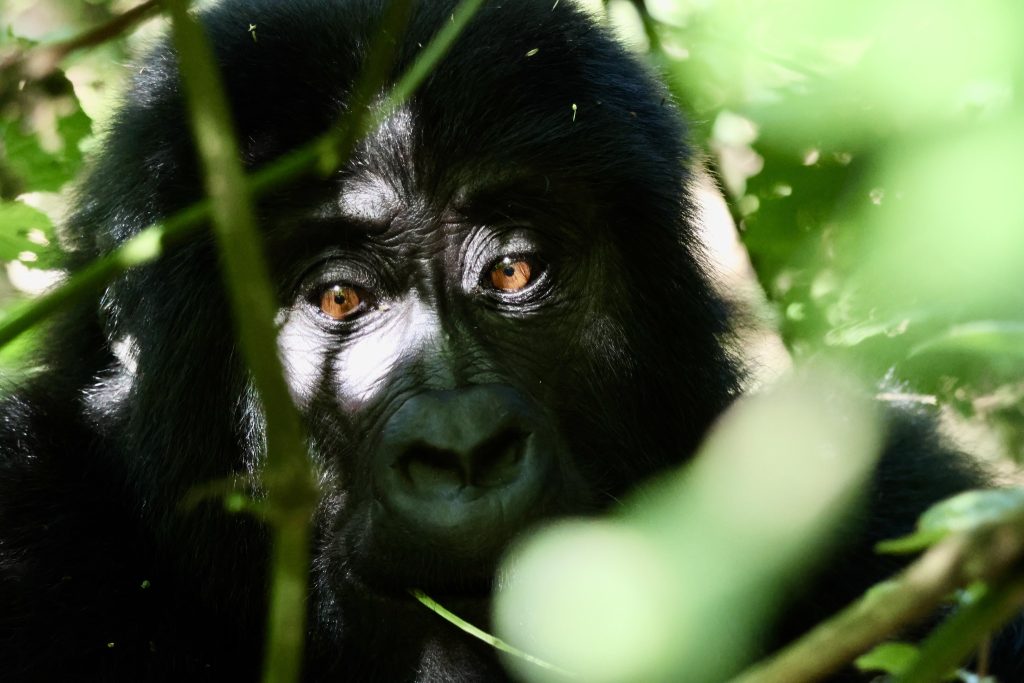
Gorilla trekking in Uganda is one of those experiences you’ll never forget. Before we even began, I knew it would be special but didn’t realise how much it would stay with me. Nothing prepares you for the moment you come face to face with a wild gorilla.
How much does gorilla trekking cost?
The biggest single cost is the Gorilla Trekking Permit. In Uganda, a permit costs $800 USD per person. We chose Uganda as it was cheaper than Rwanda that charges $1500 USD per person. It is cheaper for East African citizens. Permits includes park entry, guides and 1 hour with the gorilla family.
When is the best time to go gorilla trekking?
The best time to go gorilla trekking is during the dry season which is July to September when it is less muddy and you have more chance of good weather. This makes the experience a little less physically demanding.
We went at the beginning of September and the weather was perfect. It was still a little cool in the morning when we started our trek but it warmed up quickly.
That said, gorilla trekking is possible all year round. The wetter months of March to May and October to November can mean slippery paths and harder climbs but the forests are incredibly lush and there are fewer tourists.
We had to book our permits with our tour company almost a year in advance.
Is gorilla trekking safe?
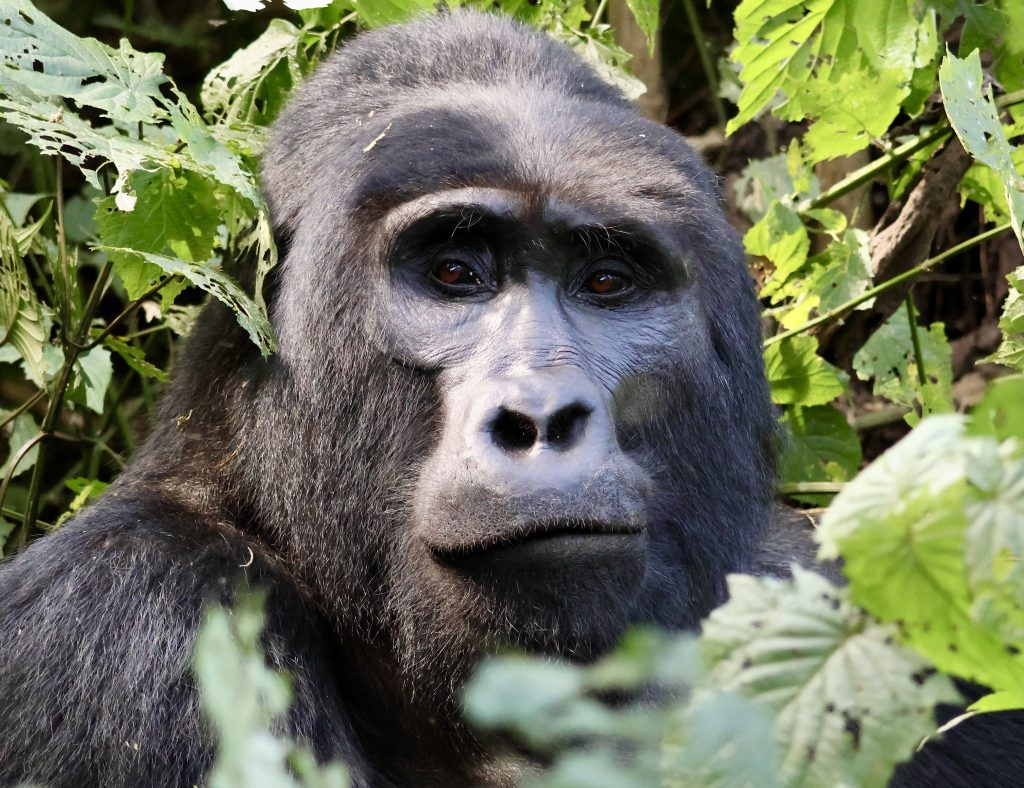
Yes it is. Before you head into the forest, you’re given a briefing on how to behave around gorillas, like keeping your distance, not making sudden movements and following your guide’s instructions.
The gorillas you visit are habituated, which means they are used to having people around them and the guides know each family very well. we had the silverbacks of two different families only metres from us and at no time, did we feel nervous or in danger.
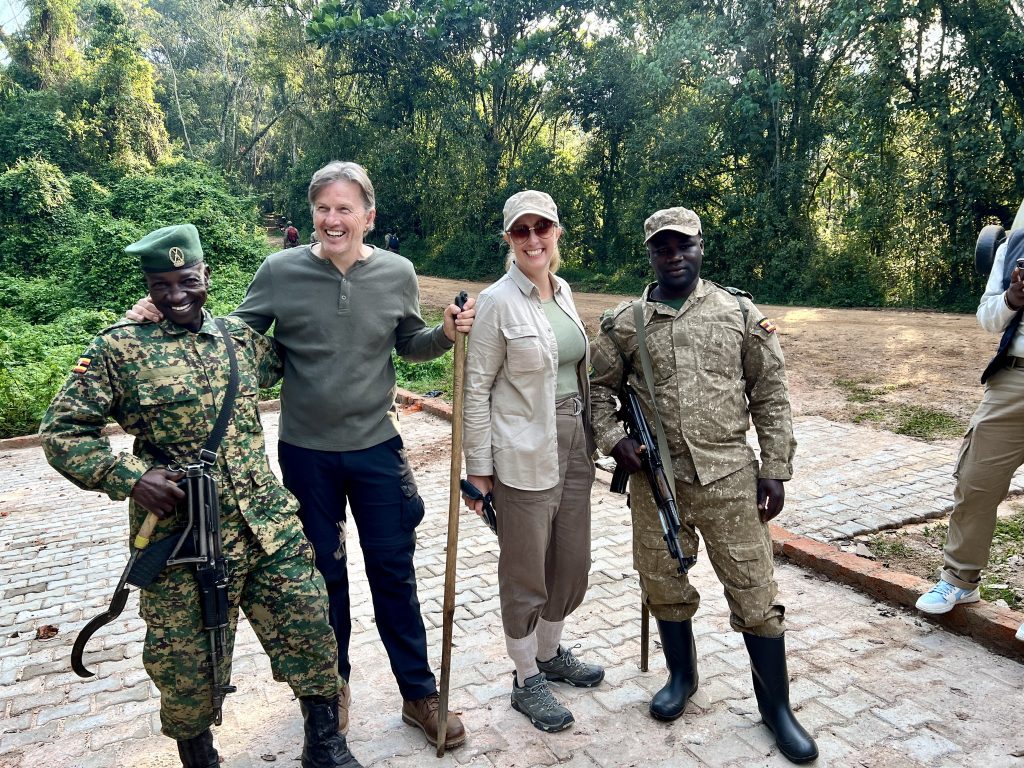
We did have armed guards with us but that was not for the gorillas. It was just as a precaution in case we came across forest elephants.
Do I need to be fit to go gorilla trekking?
Trekking can be physically challenging with steep, muddy and uneven terrain but the pace is manageable and adjusted to the group. You need to be aware that the trek to see the gorillas could be 30 minutes like our trek or up to half a day.
Each of us was given the option of taking a hiking pole which was helpful on the uneven ground, especially when you go off the trail and start making your way through the forest.
Hiring a porter can be a good idea as not only do they carry your bag, they also can give you a hand in slippery or steep sections.
What should you bring to your gorilla trek?
Packing the right things make a big difference to your gorilla trek. You don’t need anything fancy, but you do need to be prepared for mud, rain and uneven ground.
Study hiking boots are essential, preferably waterproof, because the trails can be steep and slippery. Long pants and long-sleeved shirts are also important so you can protect yourself from scratches, stinging nettles and insects as you move off the path and through the forest. Many people wore gaiters to keep out the ants but we tucked the bottoms of our pants into our long socks.
Bring a small daypack with water and snacks as you might be out for a lot longer than you think. Gardening gloves were really good for when you needed to grab onto branches or push single nettles out of the way.
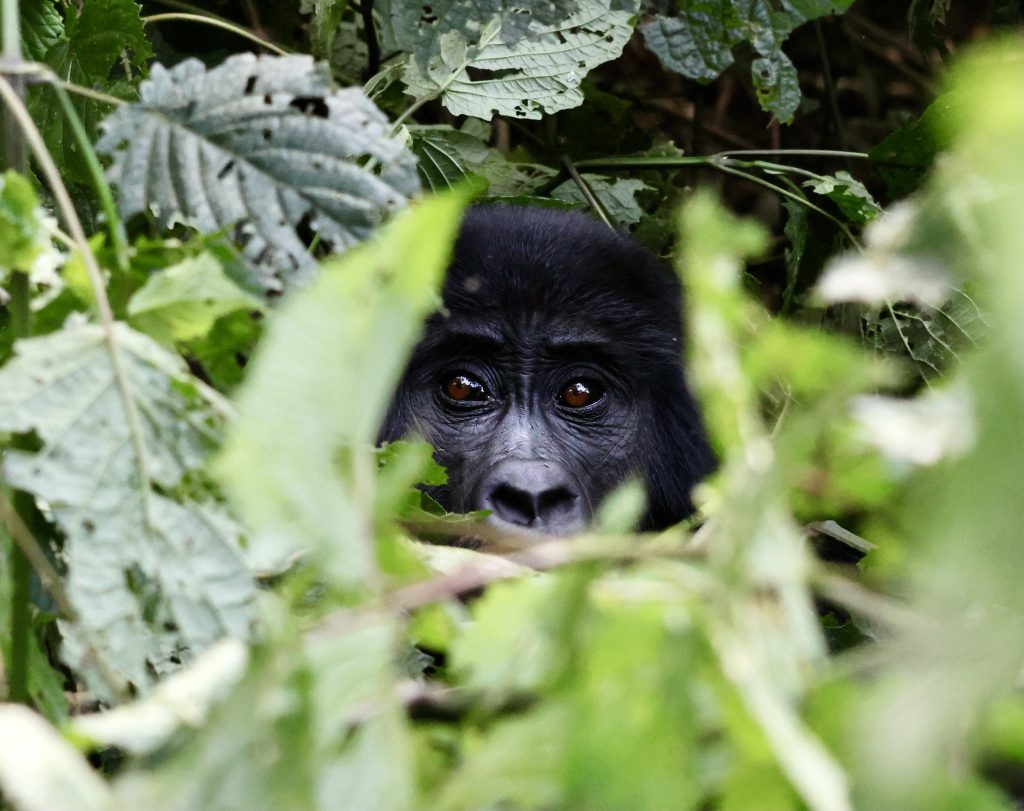
What camera gear should you take?
We had our digital DSLR’s with our 100-400mm lens. We also attached our iPhones to our DSLRs so we could record video whilst we were taking photos.